1. Start with the complete OEM reference
Record the complete number exactly as shown, including spaces, dots, dashes and leading zeroes. Suppliers may normalise the number during search, but keeping the original format helps distinguish closely related references and provides a reliable audit trail.
2. Confirm left and right from the driver’s position
LH and RH normally describe the side as viewed from the driver’s seat facing forward. Do not rely only on a photograph taken from outside the vehicle. State whether the vehicle is left-hand drive or right-hand drive when the market or application could create ambiguity.
3. Identify the mirror function
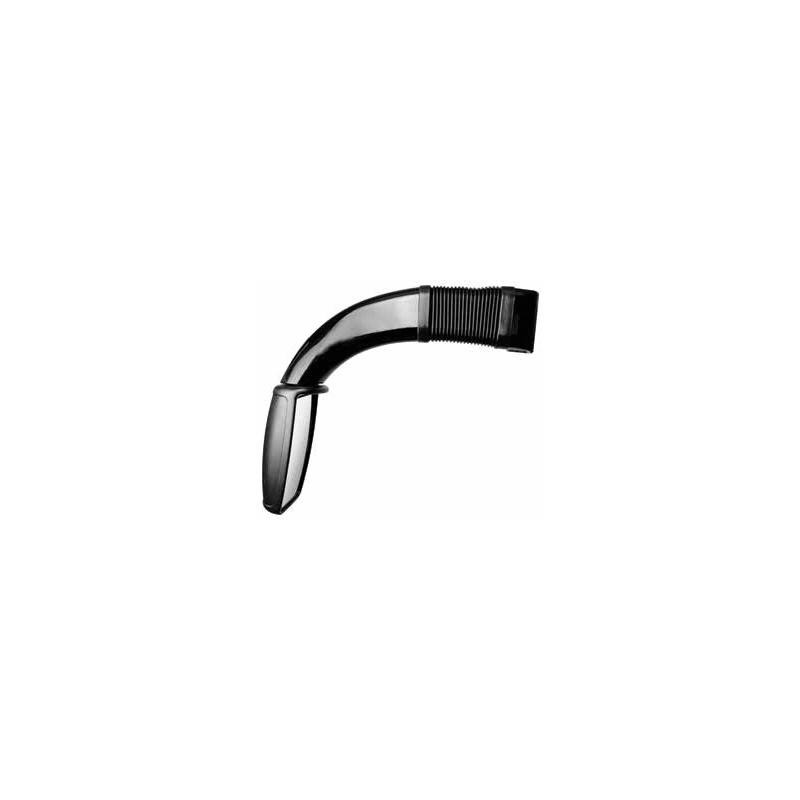
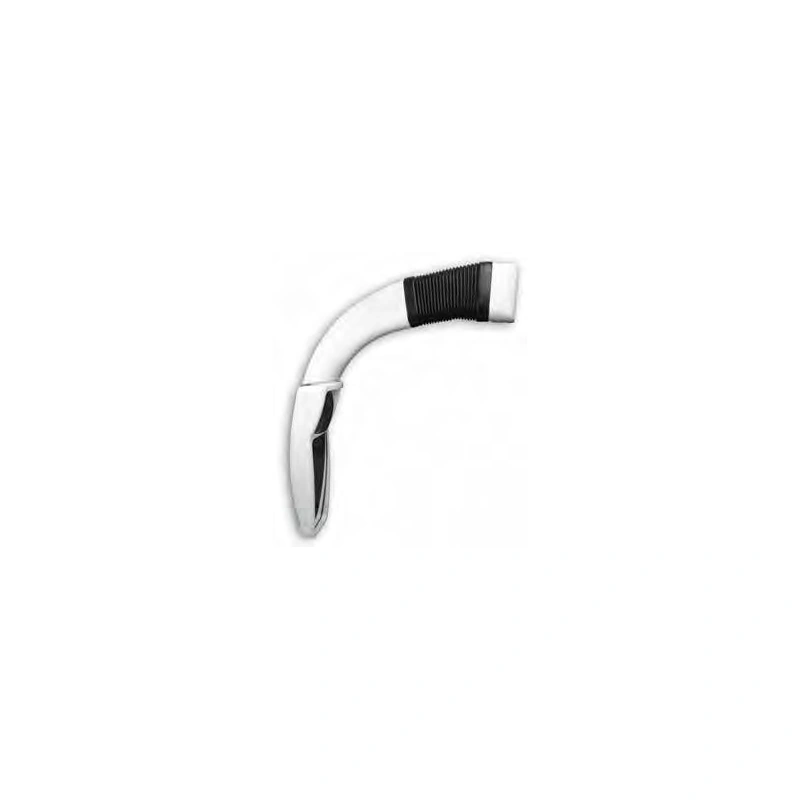
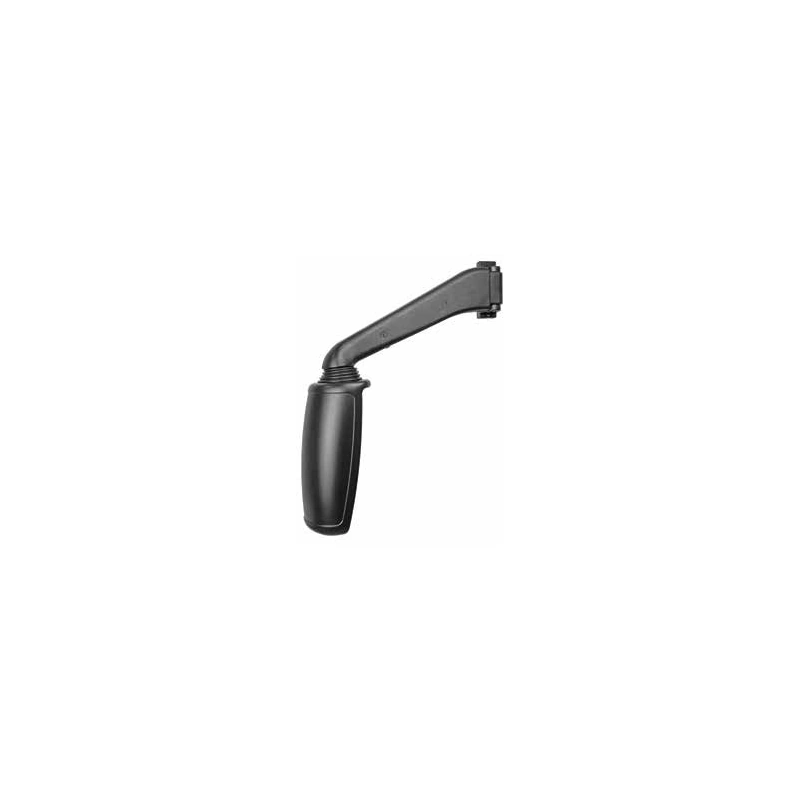
A commercial vehicle may use a main rear-view mirror, wide-angle mirror, blind-spot mirror or front-view mirror. Complete assemblies can also differ from replacement glass, arms, brackets, covers and housings. Naming the function prevents a visually similar component from being treated as the same part.
4. Record heating and adjustment features
Check whether the mirror is heated, manually adjusted or electrically adjusted. Where available, note the connector type, number of pins and any integrated indicator or sensor. These features can change the reference even when the housing shape is similar.
5. Add vehicle and mounting information
Share vehicle make, model, production year, cabin version and any available chassis or application detail. Clear photographs of the front, rear, connector, arm and mounting points help confirm whether the request concerns a complete assembly or one serviceable component.
6. Use measurements when the reference is incomplete
When the OEM label is missing, measure the glass, housing and mounting centres. Note connector location, arm length and bracket pattern. Measurements do not replace a valid reference, but they can reduce the number of possible matches.
Information to send with a truck mirror enquiry
- Complete OEM or aftermarket reference
- Vehicle make, model, production year and cabin version
- LH or RH position from the driver’s perspective
- Main, wide-angle, blind-spot or front-view mirror type
- Heating, electric adjustment, connector and pin details
- Clear photographs of label, glass, housing, arm and mounting points
- Requested quantity and destination country
A correct reference saves time before the quotation stage
The most reliable enquiry combines the OEM number with vehicle, position and feature information. KNB Automotive can compare that information with the active catalogue and review sourcing options in Türkiye when the required mirror or component is not yet listed.